End of tenancy cleaning guide NW3 Hampstead flats
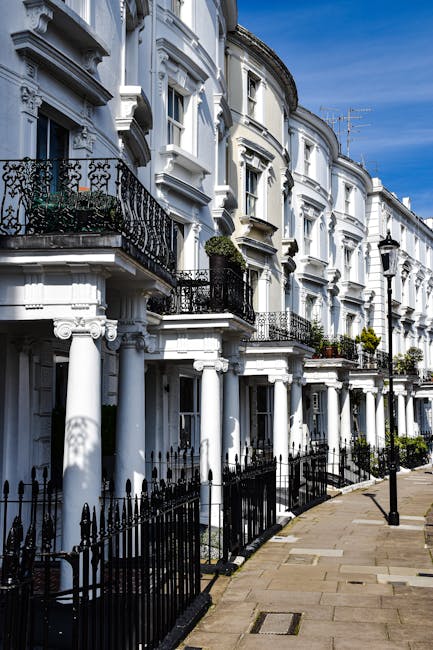
If you are moving out of a flat in Hampstead, you already know the last week can feel oddly intense. Boxes everywhere, keys to return, final meter readings, and then the big one: the clean. This End of tenancy cleaning guide NW3 Hampstead flats is here to make that process far less stressful and a lot more predictable. Whether you are a tenant wanting your deposit back, a landlord preparing for new occupants, or a managing agent checking standards, the goal is the same: leave the property clean, presentable, and ready for inspection.
In NW3, flats can vary a lot - period conversions, mansion blocks, compact studios, top-floor walk-ups, modern apartments with delicate finishes. That means the approach needs to be practical, not generic. Below you will find a clear walkthrough of what end of tenancy cleaning actually involves, what matters most in Hampstead flats, where people usually go wrong, and how to plan it properly without losing your mind halfway through. Let's face it, moving is rarely glamorous.
Why End of tenancy cleaning guide NW3 Hampstead flats Matters
End of tenancy cleaning is not just "a good tidy-up". It is a thorough clean carried out when a tenant is leaving a property, usually to meet the condition expected at handover. In flats around Hampstead, that expectation can be fairly exacting. Older buildings may have fine dust in corners, layered grime on sash windows, or tired kitchen fittings that need more than a quick wipe. Newer flats can look clean at a glance and still fail on details like skirting boards, extractor fans, or limescale around taps.
Why does that matter so much? Because inspections tend to focus on what is visible and what is neglected. A sparkling hallway helps, sure, but landlords and letting agents usually look at the kitchen, bathrooms, window frames, inside appliances, and flooring first. If those areas are missed, the property can be marked down even when the rest looks decent. It is one of those annoying truths of moving out. The small stuff often decides the outcome.
In NW3, where flats may have limited storage, narrow access, and older fixtures, cleaning also has a practical side. You often need to clean room by room while avoiding damage to paintwork, wood finishes, and stone surfaces. That is why a structured end of tenancy clean matters: it reduces guesswork and helps you work in the right order, with less backtracking.
If you want a broader understanding of the company behind this kind of work, the page about the cleaning company is a useful starting point. For a more service-specific view, their end of tenancy cleaning page explains the service itself in a straightforward way.
How End of tenancy cleaning guide NW3 Hampstead flats Works
At a practical level, end of tenancy cleaning follows a simple principle: clean the flat from top to bottom, inside to outside, and from dry work to wet work where possible. That means dusting first, then wiping, then sanitising, then finishing with floors and final touch-ups. If you mop too early, you end up walking dirt back into areas you already cleaned. Been there, regrettably.
The process usually starts with decluttering and removing loose items. Once surfaces are visible, it becomes easier to spot built-up residue, food splashes, soap scum, and dusty edges. In flats, the most time-consuming areas are often the kitchen and bathroom because they combine grease, moisture, and tight corners. Bedrooms and living rooms can look easier, but they still need careful attention to wardrobe tops, sockets, light switches, and behind furniture.
For most Hampstead flats, the service typically covers:
- Kitchen cabinets, worktops, sinks, taps, splashbacks, and appliance exteriors
- Ovens, hobs, extractor hoods, and fridge interiors where included
- Bathroom tiles, toilets, baths, showers, screens, mirrors, and fittings
- Dusting skirting boards, shelves, doors, frames, and accessible ledges
- Vacuuming and mopping hard floors
- Cleaning windows internally and wiping sills and frames
- Removing marks from light switches, handles, and other touchpoints
Some flats need extra attention in particular areas. Carpets, for example, may need specialist treatment if they have traffic marks or old stains. In that case, services such as carpet cleaning can make a real difference. Upholstered items, mattresses, rugs, and curtains are separate decisions, and they should be treated as such rather than bundled in by assumption.
It is also worth noting that "clean" and "move-out clean" are not quite the same thing. A lived-in flat can look tidy while still failing a check-out inspection. End of tenancy work is more detailed, more methodical, and less forgiving. That is the whole game.
Key Benefits and Practical Advantages
The obvious benefit is deposit protection. If the property is handed back in poor condition, deductions can be made for additional cleaning. But there are other advantages too, and honestly they are worth having in mind because they affect your stress levels as much as your wallet.
1. A better chance of a smooth checkout. A well-cleaned flat reduces friction with the landlord or agent. It gives them fewer reasons to delay sign-off or request more work.
2. Less last-minute panic. If you plan the clean properly, the final days of the tenancy become much calmer. That is not a small thing when you are also organising removals, forwarding mail, and trying to find a charger that has somehow disappeared into a box.
3. A more professional handover. Even if you are not worried about a deposit, leaving a flat in good order is simply the decent thing to do. It matters to the next resident, and it reflects well on you.
4. Better results in smaller spaces. NW3 flats are often compact, which means dirt builds up faster than people expect. A proper deep clean can make a small place feel fresh again very quickly.
5. Reduced cleaning mistakes. A structured process helps you avoid using the wrong product on sensitive surfaces or missing hidden areas such as tops of cupboards, behind toilets, or inside fridge seals.
There is a practical upside for landlords and managing agents too. If a property is cleaned thoroughly between tenancies, the next move-in tends to go more smoothly. That is especially useful when turnaround times are tight.
A good end of tenancy clean is not about making a flat look temporarily nice. It is about removing the kind of residue and wear that inspection checklists tend to catch.
Who This Is For and When It Makes Sense
This guide is mainly for tenants leaving rented flats in NW3, but not only for them. Landlords, letting agents, flatshare tenants, and even homeowners who have been using a property as a short-term let can all benefit from the same principles.
You probably need this process if:
- You are nearing the end of a tenancy and want to avoid avoidable deposit deductions
- You are moving out of a flat with built-in appliances, fitted storage, or lots of hard-to-reach spots
- You have a check-out inspection scheduled and want to be prepared, not rushed
- You inherited a flat that needs a reset before re-letting
- You simply do not have the time, equipment, or energy to do a full top-to-bottom clean yourself
It also makes sense if you have already done a decent general clean but know the property needs more than that. Maybe the oven is still greasy. Maybe the shower screen has limescale that laughs at ordinary sprays. Maybe the windows have that fine urban film that only becomes obvious in daylight around 9 a.m. on a grey London morning. That is exactly the kind of thing end of tenancy cleaning is for.
If you are looking for a broader one-off reset rather than a move-out clean, one-off cleaning may be useful as a related option. For homes that need regular upkeep, domestic cleaning is a different service altogether. Different needs, different pace.
Step-by-Step Guidance
Here is the simplest way to approach an end of tenancy clean in a Hampstead flat without turning it into chaos.
1. Start with the tenancy agreement and inventory
Before you clean anything, check what the property was supposed to include and how it was handed over to you. The inventory matters because it tells you what condition the flat should be returned in. If the document notes an oven, washing machine, or blinds, those items need attention too. If it mentions professional carpet treatment, do not ignore that detail.
2. Declutter and remove personal items
Cleaning around boxes, bags, and leftover bits is slow and annoying. Clear everything out first. Empty cupboards, fridge shelves, bathroom storage, and any balcony or utility spaces if they are part of the tenancy. You will spot grime much faster once surfaces are fully exposed.
3. Tackle the kitchen in sections
The kitchen is usually the hardest part. Work from top to bottom: cupboards, splashback, extractor hood, hob, oven, sink, then worktops, doors, handles, and floors. If the oven has baked-on residue, that is often the point where people give up. In reality, that is exactly where a lot of inspections begin. If needed, consider a dedicated oven cleaning approach rather than a hopeful spray-and-wait strategy.
4. Clean the bathroom carefully
Bathroom work should focus on scale, soap residue, mould-prone edges, and shine. Pay attention to tiles, grout, shower screens, taps, toilets, towel rails, and around the base of sinks. If the flat has an older bathroom, use a gentler method first and avoid abrasive pads that can scratch surfaces.
5. Dust high points and hidden edges
Light fittings, curtain rails, top cupboard edges, picture hooks, door frames, and skirting boards often get forgotten. These areas are not glamorous, but they are visible. You notice them most when daylight hits just right. Or wrong, depending on your mood.
6. Handle floors last
Vacuum carpets and mats after the rest of the room is finished, then mop hard floors. In larger flats or places with mixed flooring, this order saves time. If there are rugs or fitted carpets, think carefully about whether they need specialist treatment. For that, rug cleaning may be a better fit than general surface cleaning.
7. Do a final inspection in natural light
Once the place is clean, walk through the flat in daylight if you can. Natural light catches streaks, dust, fingerprints, and missed spots far better than a hallway bulb at 7 p.m. It is a slightly humbling step, but a very useful one.
Expert Tips for Better Results
There are a few small habits that make a disproportionate difference. Nothing dramatic. Just the sort of practical detail that saves an hour later.
- Use the right cloth for the right job. Microfibre is good for dust and polishing. A separate cloth for bathrooms helps prevent cross-contamination. Common sense, really, but worth saying.
- Leave product contact time. Grease and soap scum rarely disappear instantly. Give cleaners a moment to work before wiping.
- Check hinges, seals, and edges. Dirt likes borders. Around fridge seals and tap bases, it can hide in plain sight.
- Photograph problem areas before and after. If there is any dispute later, time-stamped images can help show what was done.
- Work room by room. Jumping between rooms makes it easier to miss something. Finish one space properly before moving on.
For many Hampstead flats, a little specialist help goes a long way. If carpets have been walked on heavily during a tenancy, or if a flat has a stale smell after months of use, a proper carpet cleaner can be worth considering. Similarly, upholstery cleaning can help if sofas or dining chairs have absorbed everyday wear.
One more thing: do not overclean delicate finishes. Some older flats in NW3 have varnished wood, painted plaster, or period features that react badly to aggressive products. When in doubt, test a small hidden area first. A tiny patch now is better than a visible mark later.
Common Mistakes to Avoid
This is where people often lose time, energy, and sometimes money. None of these mistakes are exotic. They are just very normal move-out mistakes.
- Starting too late. Leaving the clean until the final evening is a recipe for stress. You end up rushing, and rushing means missed details.
- Ignoring appliances. The oven, fridge, dishwasher filter, and extractor hood are frequent inspection trouble spots.
- Forgetting internal windows and frames. Clean glass is one thing. Dirty frames and sills are another.
- Using too much product. More spray does not equal more clean. Sometimes it just leaves residue and streaks.
- Not checking the inventory. If you clean the wrong items and miss the right ones, that is frustratingly easy to do.
- Leaving furniture in place. Dust behind beds, sofas, and wardrobes is a classic hidden issue in flats.
A very common one is assuming the flat "looks fine" because it appears tidy from the doorway. That is not enough. Turn on lights, open cupboards, kneel down, look under radiators if you can. A slightly awkward five-minute inspection can save a much bigger headache.
Tools, Resources and Recommendations
You do not need a van full of equipment to do a decent move-out clean, but having the right basics makes the job far easier. Keep it simple and practical.
| Task | Useful tools | What to watch for |
|---|---|---|
| Dusting and wiping | Microfibre cloths, duster, bucket | Avoid pushing dust into corners |
| Kitchen cleaning | Degreaser, non-scratch sponge, scraper where suitable | Do not scratch glass, stainless steel, or coated surfaces |
| Bathroom cleaning | Limescale remover, toilet brush, soft cloths | Ventilate well and rinse residue |
| Floors | Vacuum, mop, neutral floor cleaner | Match product to flooring type |
| Glass and mirrors | Glass spray, lint-free cloth | Finish with a dry buff to avoid streaks |
For homeowners or tenants who also need an overall reset before moving, deep cleaning can be a sensible option to compare. If the property has hard flooring that needs more than a surface mop, hard floor cleaning may also be relevant. And if you are dealing with windows that collect city dust quickly, window cleaning is worth attention, especially at the final stage.
If your move-out clean is happening after renovation or repair work, the needs can shift a bit. In that case, after builders cleaning is a better match than a standard tenancy clean because dust and debris behave differently. Tiny plaster dust gets everywhere. Everywhere.
Law, Compliance, Standards, or Best Practice
End of tenancy cleaning in the UK is usually guided by the tenancy agreement, the property inventory, and general expectations of reasonable condition at handover. It is not usually about chasing perfection. It is about returning the flat in the condition the agreement expects, allowing for fair wear and tear. That phrase matters. Fair wear and tear is normal; heavy dirt, grease, and neglected fixtures are not.
It is also sensible to think about safety and product use. Cleaning chemicals should be used according to their instructions, especially in enclosed flat bathrooms and kitchens. Good ventilation matters. So does not mixing products that should not be mixed. That sounds obvious until someone is standing in a small bathroom with the window half open and a headache brewing. Not ideal.
From a practical best-practice angle, a reliable cleaning provider should be clear about what is included, what is excluded, and how the work is handled. If you are comparing service providers, it is reasonable to look at insurance, safety procedures, payment security, and terms before booking. Useful pages to review include insurance and safety, health and safety policy, payment and security, and terms and conditions. These are not glamorous reads, but they matter if you want fewer surprises.
If sustainability is part of your decision-making, the company's recycling and sustainability approach may also be relevant, especially during larger move-outs where packaging and waste can build up fast.
Options, Methods, or Comparison Table
There are usually three ways to handle an end of tenancy clean in a Hampstead flat: do it yourself, split it with friends or flatmates, or book a professional service. The right choice depends on time, budget, and how much cleaning is actually needed.
| Option | Best for | Pros | Watch-outs |
|---|---|---|---|
| DIY clean | Smaller flats, lower mess, enough time | Lowest direct cost, full control | Time-consuming, easy to miss details |
| Shared clean | Flatshares or tenants with overlapping schedules | Faster completion, shared workload | Uneven standards, coordination issues |
| Professional service | Busy moves, larger flats, tougher grime, tighter deadlines | More thorough, less stress, better for inspection prep | Higher upfront cost |
There is no universal "best" option, to be fair. A spotless studio with a simple layout is very different from a two-bed period flat with a tired kitchen, old carpets, and a bathroom that has seen a few winters. If the place is already in good shape, DIY might be enough. If not, bringing in a service can save a lot of time and reduce stress at the end of the tenancy.
For those comparing broader property services, a local home cleaners service may suit ongoing upkeep, while house cleaning is better if the property is larger or more heavily used. A flat move-out, though, usually needs the more detailed tenancy-specific approach.
Case Study or Real-World Example
Here is a realistic example from the kind of flat you often see in NW3: a one-bedroom Hampstead apartment with a small galley kitchen, wooden floors in the living room, carpet in the bedroom, and a compact bathroom with a glass shower screen. The tenant had already packed most belongings, but the kitchen had grease around the hob, the oven had stubborn residue, and the bathroom had fine limescale around the taps and shower glass.
The first pass focused on decluttering and clearing storage. Once the cupboards were empty, it became obvious that dust had gathered on the upper shelves and around hinges. After that, the kitchen was cleaned in layers: degreasing the hob area, treating the extractor hood, wiping cabinet fronts, then dealing with the oven separately. The bathroom needed a descaler and a soft cloth rather than anything aggressive, because the glass showed streaks easily.
The living room and bedroom were straightforward in comparison, but not effortless. Marks along skirting boards, dust near radiators, and the sort of lint that collects at the base of wardrobes all needed attention. The carpet in the bedroom was not heavily stained, but it did benefit from a proper refresh. In this case, a targeted carpet cleaning treatment helped lift the room visually and improved the overall finish.
The useful lesson? The property did not need heroic cleaning. It needed sequence, patience, and attention to the obvious inspection points. That is usually how these things go. No magic. Just method.
Practical Checklist
Use this checklist as a final walk-through before handover. Keep it practical and tick each item as you go.
- All personal belongings removed from the flat
- Kitchen cupboards emptied, wiped inside and out, and handles cleaned
- Oven, hob, extractor, and splashback cleaned
- Fridge and freezer defrosted and cleaned if included in the tenancy
- Bathroom sink, toilet, bath, shower, taps, and screens cleaned
- Mirrors and glass wiped streak-free
- Skirting boards, light switches, and door frames dusted and wiped
- Internal windows, sills, and frames cleaned
- Floors vacuumed and mopped or treated appropriately
- Carpets, rugs, or upholstery addressed where needed
- Bins emptied and cleaned
- Final inspection completed in good light
- Photos taken for your own record
One small but useful reminder: if you have a packed moving day, do the final check after all furniture and boxes are gone. A room always looks cleaner once the last chair has been carried out. Funny how that works, really.
Get a free quote today and see how much you can save.
Conclusion
An end of tenancy clean in a Hampstead flat is really about control. You cannot control every moving-day delay, every patch of weather, or every last-minute wobble with the removals van. But you can control how the flat is handed back. When you clean methodically, check the awkward areas, and focus on the details that inspections actually notice, the process becomes far less intimidating.
If you are moving out of an NW3 flat, take the clean seriously, but do not let it swallow the entire week. Use a plan, work from the hardest rooms first, and give yourself enough time to do a final pass. That alone makes a huge difference. And if you need help, a properly handled professional clean can make the handover feel a lot calmer. A small relief, maybe, but those matter at the end of a tenancy.
In the middle of all the packing and paperwork, a clean flat can be the one thing that feels finished. That is a nice feeling to leave behind.
Frequently Asked Questions
What is included in an end of tenancy clean for a Hampstead flat?
It usually includes a full clean of the kitchen, bathroom, living areas, bedrooms, floors, internal windows, and visible surfaces. Some services also include ovens, carpets, or upholstery, depending on what is booked.
How long does an end of tenancy clean usually take?
It depends on the size and condition of the flat. A small, well-kept studio may take much less time than a larger flat with appliances and carpets that need more attention. The more built-up grime there is, the longer it takes. Simple as that.
Do I need professional cleaning to get my deposit back?
Not always. What matters most is that the property is returned in the required condition under the tenancy agreement. However, professional cleaning can help if the flat needs a very detailed clean or if time is tight.
Should I clean the oven myself or book a specialist service?
If the oven is lightly used, you may manage it yourself with the right products and time. If it has heavy grease or baked-on residue, a specialist oven cleaning service is often the better option.
What happens if the flat has carpets?
Carpets should be vacuumed thoroughly and treated for marks where needed. If they are visibly dirty or have stubborn stains, a dedicated carpet service may be worth considering rather than relying on vacuuming alone.
How do I prepare my flat before the cleaners arrive?
Remove personal belongings, empty cupboards, defrost the freezer if required, and make sure cleaners can access all rooms and appliances. The easier the access, the better the final result usually is.
Can I do the clean room by room?
Yes, and that is usually the smartest way. Start with the dirtiest or most detailed rooms first, often the kitchen and bathroom, then move through the bedrooms and living areas before finishing with floors.
What if I only need a partial clean?
You can focus on the areas that need the most work, but be careful. End of tenancy inspections often look at the whole property, not just the bits that are obvious. A partial clean may not be enough if the tenancy expects a full handover standard.
Are internal windows included in end of tenancy cleaning?
They often are, but it depends on the scope agreed. It is worth checking the service details so you know whether frames, sills, and tracks are included as well.
What is the difference between deep cleaning and end of tenancy cleaning?
Deep cleaning is usually a broader intensive clean for a lived-in property. End of tenancy cleaning is specifically aimed at move-out standards and handover expectations. They overlap, but they are not identical.
How can I avoid deductions for cleaning issues?
Follow the inventory, clean the key inspection areas carefully, use photos for your records, and do not overlook appliances, bathroom fixtures, and hidden dust spots. Most deductions happen because a few important details were missed.
Is end of tenancy cleaning different in older Hampstead flats?
Yes, often. Older flats may have more delicate surfaces, fitted joinery, and awkward corners that need slower, more careful cleaning. They can also hold dust and grime in places that are not obvious at first glance, so patience matters.
What should I ask before booking a cleaning company?
Ask what is included, whether insurance and safety procedures are in place, how payment works, and what happens if something is missed. It is also sensible to check the provider's pricing and quotes page so you understand the scope clearly.