Health and Safety Policy for Cleaners Hampstead
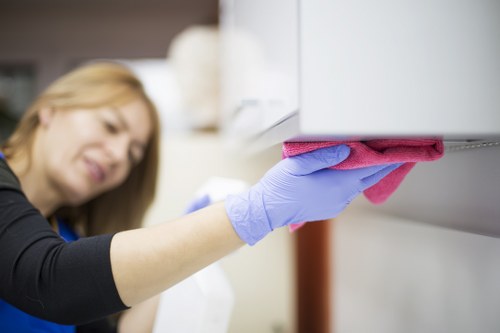 This health and safety policy sets out the standards, responsibilities, and working practices expected from Cleaners Hampstead when delivering cleaning services in homes, offices, and shared environments. The purpose of this policy is to protect staff, clients, visitors, and anyone else who may be affected by cleaning activity. It applies to all routine tasks, specialist cleaning work, and occasional deep-clean assignments. By following a clear and consistent approach, Hampstead cleaners can reduce risk, maintain professionalism, and support a safe working environment at all times.
Safety is a shared responsibility. Every cleaner is expected to work carefully, follow training, and use equipment correctly. Supervisors and managers must ensure that suitable procedures are in place, that risks are assessed, and that workers receive appropriate instruction before starting a task. Clients also have a role in supporting safe working conditions by identifying hazards, giving access to relevant areas, and allowing enough time for work to be completed properly. A strong safety culture benefits everyone involved.
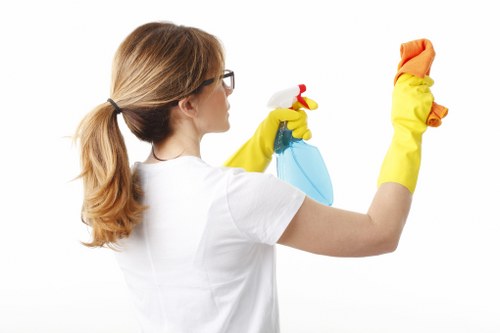 All cleaning tasks must begin with a basic risk assessment. This includes checking for slippery floors, blocked walkways, unstable furniture, electrical hazards, exposed sharp objects, and the presence of cleaning chemicals or biological contamination. Cleaners in Hampstead should not begin work if a hazard cannot be controlled safely. If a task seems unsafe, it must be reported immediately and paused until the risk has been addressed. Preventing accidents is always preferable to responding to them later.
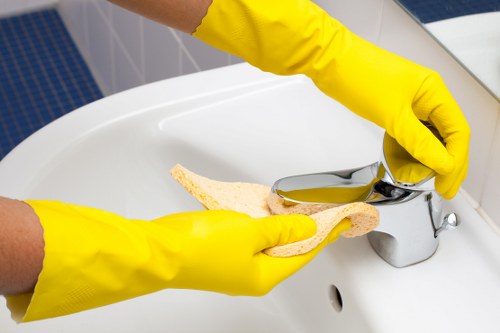
Personal protective equipment, or PPE, must be worn when required. Depending on the task, this may include gloves, eye protection, aprons, or non-slip footwear. PPE should be selected to match the job, kept clean, and replaced when damaged. Wearing the right equipment helps protect workers from skin irritation, chemical splashes, cuts, and other avoidable injuries. Staff should also be trained to remove PPE safely and wash hands thoroughly after use.
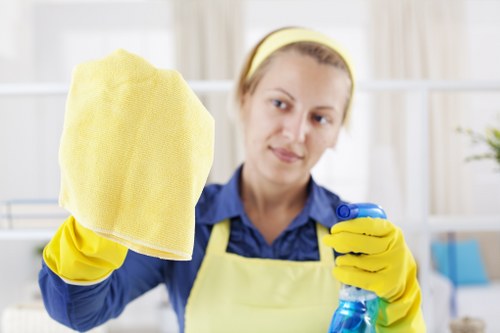 Cleaning products must be used exactly as instructed. All chemicals should be stored securely, clearly labelled, and kept away from food, heat, and direct sunlight where relevant. Cleaners Hampstead must never mix products unless the manufacturer states that it is safe to do so. Dilution instructions must be followed carefully, and spray bottles should be marked accurately to prevent confusion. If a product causes irritation, leaks, or spills, the area should be isolated and cleaned using the correct procedure.
Manual handling is another important area of safety. Lifting equipment, moving furniture, carrying bins, and transporting supplies can all lead to strain or injury if done incorrectly. Staff should assess the weight, shape, and stability of any item before lifting. Where possible, heavy objects should be moved with assistance or using suitable equipment. Cleaners should keep loads close to the body, avoid twisting while lifting, and take regular breaks when handling repetitive tasks.
Electrical safety must always be respected. Before using powered machines, cleaners should check leads, plugs, and sockets for visible damage. Equipment should be switched off before cleaning, adjusting, or moving it. Water must be kept away from electrical appliances unless the equipment is designed for damp conditions. Hampstead cleaning professionals should report damaged machines immediately and remove them from use until they are inspected and repaired. Faulty equipment can cause shocks, fires, or serious injury.
Good hygiene practices are essential in every environment. Hands should be washed after handling waste, chemicals, bodily fluids, or contaminated surfaces. Where necessary, disposable gloves should be changed between tasks to reduce cross-contamination. Cloths, mops, and buckets must be cleaned and dried correctly after use. Colour-coded cleaning systems should be followed when applicable, especially in kitchens, washrooms, and clinical or sensitive areas. Clean tools help maintain both safety and hygiene standards.
Waste must be handled responsibly. Sharps, broken glass, contaminated materials, and general rubbish should each be disposed of in the correct container or bag. Cleaners in Hampstead should never compress waste with hands or feet, and bags should not be overfilled. If hazardous waste is found, it must be isolated and reported in line with workplace procedure. Safe waste handling protects staff from cuts, infection, and unnecessary exposure to harmful substances.
Emergency readiness is part of the policy. All workers should know the basic response for fire, chemical exposure, flooding, injury, and evacuation. First aid supplies must be accessible where required, and incidents should be reported promptly through the proper channel. Any accident, near miss, or unsafe condition should be documented so that corrective action can be taken. Reviewing incidents helps Cleaners Hampstead improve safety and prevent repeat problems.
Training and supervision are central to this policy. New staff must be introduced to the correct methods for using materials, moving safely, and protecting themselves and others. Refresher training should be provided when procedures change, new equipment is introduced, or an incident highlights a need for improvement. Managers should monitor work practices regularly to ensure that the policy remains practical, current, and understood by all team members.
 Communication also supports safe working. Workers should feel able to raise concerns about damaged equipment, unsafe access, unsuitable conditions, or anything else that could affect health and safety. Tasks may need to be delayed or adapted if conditions change during a job. Clear communication between cleaners, supervisors, and clients helps avoid confusion and ensures that safety decisions are made quickly and sensibly.
Health protection is equally important. Staff should be aware of symptoms of skin irritation, breathing problems, fatigue, and repetitive strain. Where possible, work should be planned to reduce exposure to strong substances, excessive noise, and prolonged physical effort. Reasonable breaks, hydration, and varied tasks can help reduce strain during the working day. A careful pace is often safer and more effective than rushing through a job.
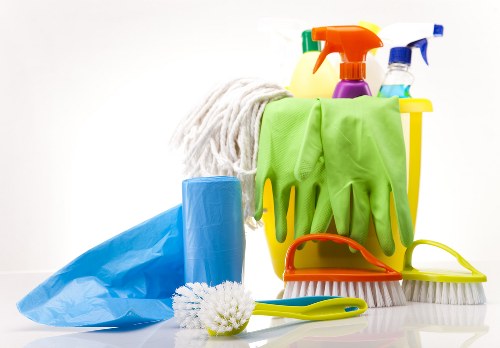
Housekeeping standards must be maintained throughout the shift. Equipment should be stored neatly, walkways kept clear, and spills dealt with immediately. Doors, stairs, and shared spaces should remain unobstructed wherever possible. A tidy work area reduces the likelihood of trips, falls, and damaged property. Strong housekeeping is one of the simplest and most effective parts of a cleaning safety policy.
 This policy will be reviewed regularly to ensure it remains suitable for the services provided by Cleaners Hampstead. Updates may be made in response to legal changes, new equipment, different cleaning methods, or lessons learned from incidents and inspections. By committing to safe systems of work, careful supervision, and responsible behaviour, the team can deliver reliable cleaning services while protecting everyone’s wellbeing.